Europe has long been considered one of the world’s most open and competitive automotive markets, allowing global manufacturers to introduce new car models with relatively few barriers. Favorable trade agreements and low import taxes have made the continent a strategic destination for automakers from the United States, Japan, South Korea, China, and India. As a result, more than 80 international car brands now operate across Europe.
In recent years, Chinese electric vehicles have gained significant traction due to their aggressive pricing strategy. On average, Chinese EVs are 30% cheaper than European models. Lower labor costs, massive production scale, and substantial government subsidies enable China to position itself as the price leader in the global EV market. This cost advantage has become a central challenge for the European automotive industry.
China’s influence is most visible in the Battery Electric Vehicle (BEV) segment—one of the highest-value sectors in the global automotive industry. The battery alone accounts for nearly 40% of an EV’s total production cost, making it the most expensive and strategically important component. China currently controls more than half of the world’s lithium, cobalt, and graphite refining capacity, giving its EV manufacturers unparalleled cost and supply-chain advantages.
Interestingly, despite widespread headlines about China’s dominance, Chinese EVs are still not commonly seen on European roads. However, brand awareness is rapidly rising. Surveys in the US, Germany, the UK, and France show that over 50% of respondents can name at least one Chinese EV brand and are willing to consider them when purchasing a new electric car. Awareness often precedes market penetration—making China’s growth potential in Europe even more significant.
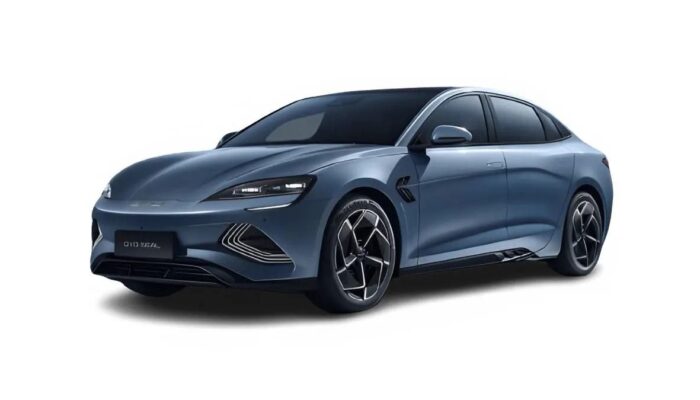
Recognizing China’s ambitious expansion, Europe faces an urgent question: Can European automakers compete effectively against China’s rapidly growing EV industry? While European manufacturers excel in engineering, luxury design, and brand reputation, the cost gap remains a major threat. Cheap and fast Chinese production could gradually erode Europe’s market share if left unchecked.
Instead of adopting the aggressive 100% tariff approach used by the United States, the European Union opted for a more balanced strategy. In October 2024, Europe introduced a new tariff of up to 35% on imported Chinese electric vehicles, in addition to the existing 10% duty. This policy aims to make EV pricing more competitive domestically and protect European manufacturers during the next five years of market adjustment.
Even with these tariffs, Europe still faces stiff competition. Chinese brands continue to innovate rapidly and maintain lower production costs. Yet Europe possesses several strategic strengths. European consumers often favor well-known brands associated with premium quality, advanced safety standards, and sustainable mobility. Meanwhile, lingering concerns about the long-term durability and reliability of some Chinese products still influence consumer choices.
To remain competitive, European automakers must improve their EV supply chain efficiency. Competing with China means more than matching price—it requires redesigning the manufacturing ecosystem. Automakers must diversify raw material sourcing, reduce reliance on Chinese batteries, and expand domestic or regional battery production facilities. Strengthening local supply chains will help reduce unit costs, shorten lead times, and increase resilience.
Additionally, European manufacturers are exploring nearshoring and offshoring strategies to cut labor and energy expenses by up to 70% compared to central European operating costs. While offshoring presents political and regulatory risks, optimizing production footprints remains essential. One effective approach is shifting from large, CAPEX-heavy vehicle assembly plants to smaller, more efficient battery module assembly facilities, which require fewer resources and offer greater flexibility.
In the long term, Europe’s competitive edge will depend on innovation in green technology, sustainable production, energy-efficient manufacturing, and premium EV engineering. By modernizing supply chains, expanding battery production capacity, and leveraging strong brand heritage, European automakers can still compete—despite China’s rapid and aggressive expansion into the global electric vehicle market.