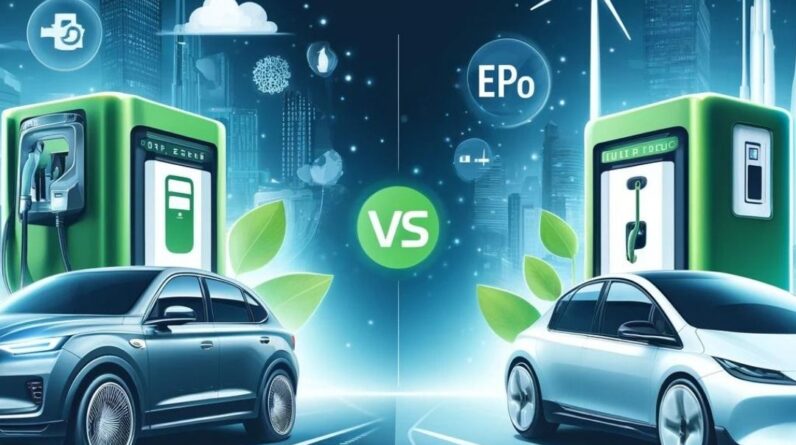
As the automotive industry moves rapidly toward cleaner and smarter mobility, drivers in 2025 face one of the biggest decisions in modern transportation: choosing between electric cars and hybrid cars. With rising fuel prices, government incentives, and increasing environmental awareness, selecting the right vehicle has become more important than ever. Understanding the differences in cost, performance, maintenance, and long-term value is essential for making a smart investment in sustainable transportation.
Electric vehicles (EVs) have become mainstream thanks to major improvements in battery technology, extended driving ranges, and faster charging capabilities. EVs run solely on electricity, producing zero emissions and significantly lowering operational costs. As charging infrastructure expands globally in 2025, EV owners benefit from greater convenience and reduced dependency on traditional fuel. For environmentally conscious drivers, full-electric models offer the cleanest and most future-ready option.
Hybrid cars, on the other hand, combine a gasoline engine with an electric motor. This makes them ideal for consumers not fully ready to commit to a 100% electric lifestyle. Hybrids offer fuel efficiency, lower emissions compared to traditional cars, and instant familiarity with traditional refueling. They are especially beneficial for people who drive long distances or live in areas where charging infrastructure remains limited. In 2025, hybrid technology continues to evolve, with improved batteries and smarter energy management systems.
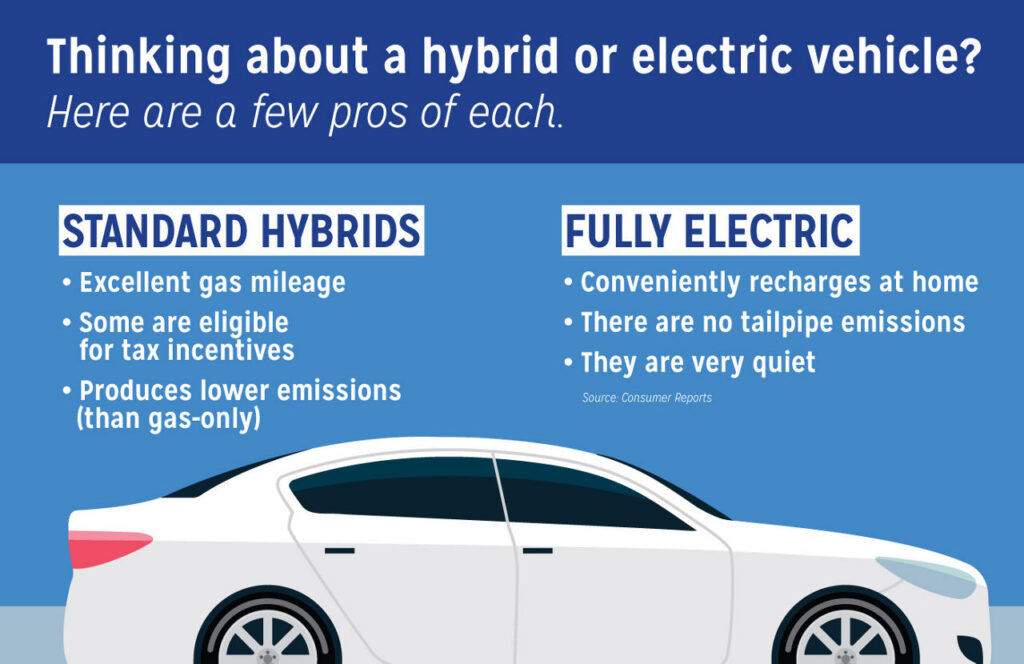
When it comes to cost and affordability, electric cars typically have a higher upfront price due to advanced battery systems. However, they often offer greater long-term savings thanks to cheaper “fuel” costs and fewer moving parts requiring maintenance. Hybrids are generally more affordable initially but may incur higher long-term maintenance costs because of their dual power systems. Government incentives for EVs in many countries also make electric models more financially appealing in 2025.
Performance is another key consideration. Electric cars are known for their instant torque, fast acceleration, and smoother driving experience. In 2025, many EVs outperform gas-powered and hybrid vehicles in both speed and responsiveness. Hybrids offer balanced performance but cannot match the pure power delivery of modern electric motors. For drivers who want both efficiency and sportiness, EVs provide a more thrilling and modern driving experience.
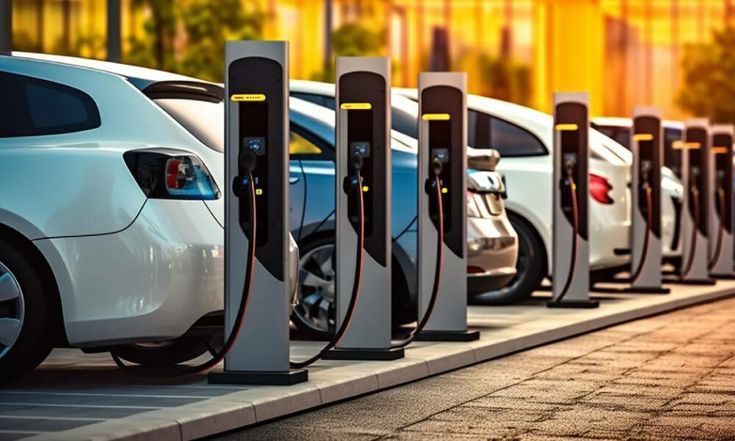
Charging and convenience are critical factors. By 2025, fast-charging networks are widely available in most urban areas, allowing EV owners to recharge up to 80% in under 30 minutes. Home charging adds unmatched convenience for daily commutes. However, hybrids still hold an advantage for drivers who travel long distances or live in remote areas, as they can rely on traditional gas stations without needing to plan charging stops.
From an environmental standpoint, electric vehicles clearly lead the way. EVs produce zero tailpipe emissions and significantly reduce carbon footprints. Hybrids reduce emissions compared to gasoline cars, but they still rely on fossil fuels. For consumers prioritizing sustainability, electric cars remain the top eco-friendly choice in 2025.
Maintenance costs also differ significantly. EVs require less frequent servicing because they don’t need oil changes, exhaust system repairs, or engine tune-ups. Hybrids, on the other hand, require maintenance for both the gasoline engine and electric components, which can increase long-term expenses. For budget-conscious owners, EVs offer a simpler and more cost-efficient maintenance experience.
In terms of long-term value and resale potential, electric cars are growing faster in market demand as more countries move to ban gasoline engines by 2035. Hybrids remain popular but may lose relevance as global electric adoption accelerates. Choosing an EV may provide better long-term investment potential in the rapidly changing automotive market.
Conclusion
Choosing between an electric or hybrid car in 2025 depends on your driving habits, environmental goals, and long-term budget. If you want zero emissions, lower maintenance, strong performance, and long-term savings, an electric vehicle is the smarter choice. If you need flexibility for long trips and prefer traditional refueling convenience, a hybrid car remains a reliable and efficient solution. As the world moves toward clean mobility, both options offer better efficiency and sustainability compared to traditional gasoline cars—making 2025 the perfect time to upgrade to a smarter, greener vehicle.